
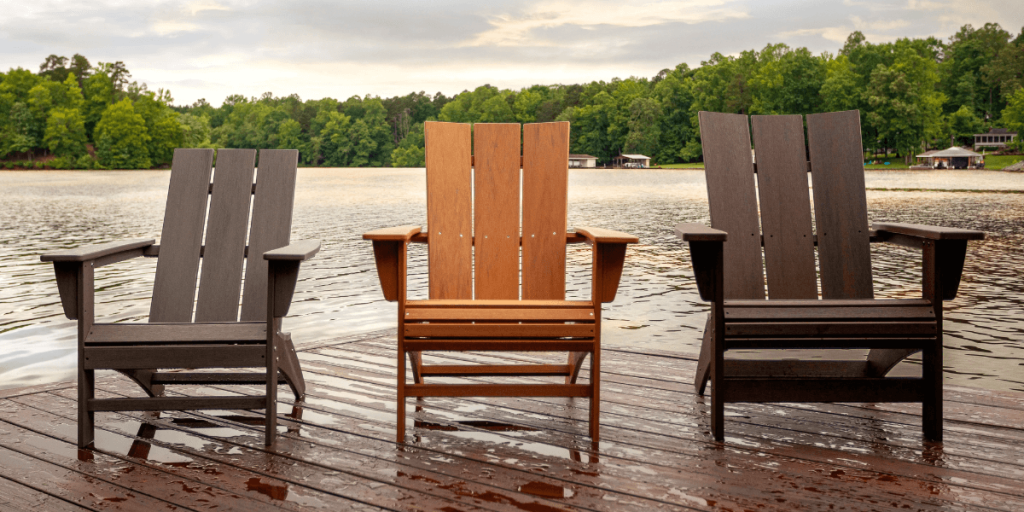
Outdoor living continues to evolve across Colorado as homeowners look for furniture that supports comfort without constant upkeep. Patios, decks, and backyard spaces now function as everyday extensions of the home rather than seasonal extras. This shift has increased demand for materials that hold up against snow, sun, wind, and sudden temperature changes while staying visually appealing.
POLYWOOD has become a trusted solution for year-round outdoor living due to its durability, minimal care requirements, and ability to remain outdoors in all seasons. Homeowners value furniture that does not require frequent storage, refinishing, or repair as the weather changes.
This blog explains why POLYWOOD can stay outside all year with confidence. You will learn how the material performs in different seasons, what level of care keeps it looking its best, and when protective covers make sense.
What Makes POLYWOOD Suitable for Year-Round Outdoor Use
High-Density Recycled Material
POLYWOOD is manufactured using high-density recycled plastics designed for outdoor exposure. This dense composition prevents moisture absorption, which plays a major role in furniture failure outdoors. Since water cannot penetrate the material, issues like swelling, cracking, or warping rarely occur.
Unlike traditional wood, POLYWOOD does not splinter or soften over time. The structure remains consistent through seasonal shifts, making it well-suited for patios exposed to rain, snow, or irrigation runoff. This durability supports year-round placement without fear of weather-related damage.
Built for Outdoor Conditions
POLYWOOD furniture maintains structural stability during temperature fluctuations common in Colorado. Expansion or contraction remains minimal, even during freeze-thaw cycles. This stability helps preserve joints, fasteners, and overall form.
The material also resists pests, mildew, and rot. Insects find no organic matter to damage, while mold growth remains limited due to the non-porous surface. These qualities contribute to long-term reliability in outdoor environments with minimal intervention.
How POLYWOOD Performs in Different Seasons
Summer Heat and UV Exposure
Summer sun can be harsh at high altitudes. POLYWOOD is designed with UV stabilizers mixed throughout the material rather than applied as a surface coating. This process helps maintain color integrity even during extended sun exposure.
While darker shades may feel warm to the touch during peak heat, fading remains minimal over time. The color does not peel or flake, which helps furniture retain a clean appearance through many summers of outdoor use.
Rain, Snow, and Moisture
Moisture exposure presents one of the biggest challenges for outdoor furniture. POLYWOOD features a non-porous surface that prevents water absorption. Rain drains easily without soaking into the material, reducing the risk of damage.
Snow accumulation does not affect structural performance. Once the snow melts, the surface dries quickly, leaving no residue behind. This makes POLYWOOD weather-resistant even during prolonged wet conditions common in Colorado winters.
Cold Temperatures and Freeze Cycles
Freezing temperatures often cause cracking in wood furniture due to trapped moisture. POLYWOOD avoids this issue because water cannot enter the material. Freeze cycles pass without compromising integrity.
The furniture retains its shape through the winter months without becoming brittle. This resistance allows homeowners to leave pieces outdoors confidently, even during extended cold spells.
Does POLYWOOD Need to Be Covered or Stored
Leaving POLYWOOD Uncovered
POLYWOOD does not require seasonal storage to remain functional. Leaving it uncovered remains a practical option for homeowners who value convenience. Exposure to open air also helps prevent moisture buildup beneath covers.
In many cases, uncovered furniture simply needs light cleaning once the seasons change. For those who prefer a hands-off approach, uncovered placement works well year-round.
Using Furniture Covers for Extra Protection
Covers serve as an optional layer of protection rather than a necessity. They help reduce debris buildup like leaves, pollen, or dust during periods of heavy exposure. Covers also simplify spring cleaning.
Breathable materials provide better airflow while limiting moisture retention. If you plan to add protection, consider waterproof outdoor patio furniture covers from Spas of Colorado, designed for ventilation rather than airtight sealing.
Maintenance Tips for Year-Round Outdoor Use
Routine Cleaning Recommendations
POLYWOOD maintenance remains simple throughout the year. Basic cleaning with mild soap, warm water, and a soft brush removes surface dirt, pollen, or residue. Rinsing with a garden hose completes the process.
This routine works well after snow melt, heavy rain, or extended periods of wind-blown debris. Frequent deep cleaning is unnecessary, which saves time over the long term.
Seasonal Care Checklist
A light cleaning before winter helps remove organic material that could stain surfaces. Clearing leaves or debris after storms also supports appearance.
After severe weather, a quick inspection ensures fasteners remain secure. These small steps support effective year-round POLYWOOD care without becoming burdensome.
Common Concerns About Leaving POLYWOOD Outside
Will POLYWOOD Fade Over Time
Some gradual color softening may occur after many years in direct sunlight. However, fading remains far less noticeable compared to painted wood or lower-grade plastics. The infused color process helps maintain a consistent appearance long term. Most homeowners find the visual change minimal, especially with lighter shades commonly used in outdoor settings.
Can POLYWOOD Crack or Warp
Structural changes are unlikely due to the dense, moisture-resistant composition. Unlike wood, POLYWOOD does not expand unevenly or shrink during cold weather. Warping remains rare, even with continuous outdoor exposure. This reliability makes it a practical solution for climates with dramatic seasonal swings.
How Hardware Holds Up Outdoors
POLYWOOD furniture uses corrosion-resistant stainless steel fasteners designed for outdoor use. These components resist rust caused by moisture or snow. Occasional checks help ensure everything remains secure, though hardware issues occur infrequently due to high manufacturing standards.
Benefits of Year-Round Outdoor Placement
Convenience and Time Savings
Leaving furniture outdoors year-round eliminates seasonal storage tasks. There is no need to move heavy pieces into garages or sheds each winter. This convenience appeals to homeowners who want functional outdoor spaces without added labor.
Long-Term Cost Efficiency
Reduced replacement needs lower overall ownership costs. POLYWOOD’s longevity limits the need for frequent upgrades or repairs. Avoiding storage-related wear also preserves appearance longer, improving long-term value.
Reliable Appearance Year After Year
POLYWOOD maintains its structure, color, and finish despite weather exposure. Furniture continues to look polished without refinishing or repainting. For homeowners seeking consistency, this reliability provides peace of mind across changing seasons.
If you are exploring durable POLYWOOD patio furniture, Spas of Colorado offers several options suited to local conditions without requiring seasonal storage.
Final Thoughts
POLYWOOD stands out as a reliable solution for homeowners who want outdoor furniture that remains outside all year. Its moisture-resistant construction, structural stability, and UV protection allow it to handle sun, snow, rain, and temperature shifts with ease. Unlike traditional materials, it avoids cracking, warping, or rot while maintaining visual appeal.
Low upkeep further supports long-term value. Simple cleaning routines and occasional inspections keep furniture looking polished without demanding time or effort. Covers remain optional, offering added convenience rather than necessity.
