
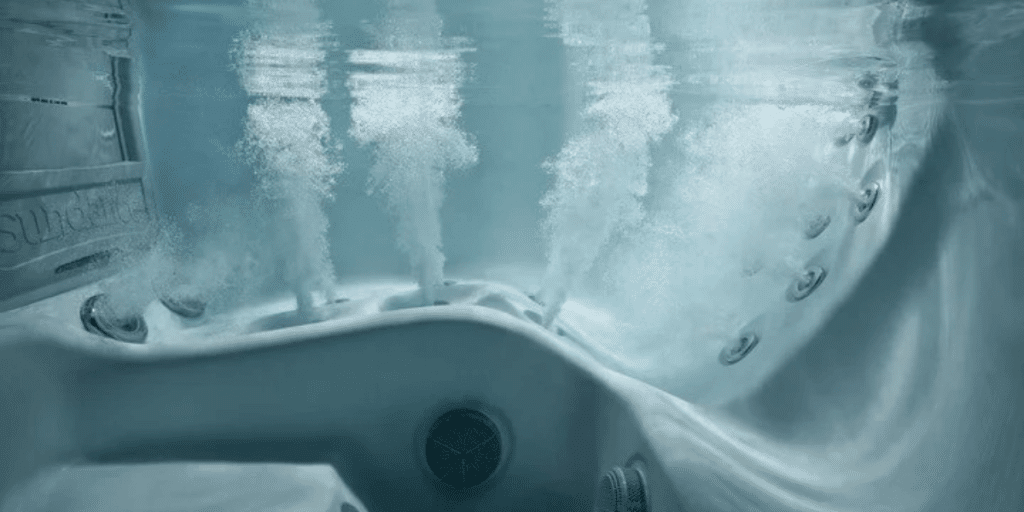
When the jets in a hot tub begin popping out, burbling, or acting erratically during use, it is frustrating for any homeowner. The massage experience drops off, the jets may feel unpredictable, and it becomes clear that something in the system needs attention.
This blog will walk through fixing hot tub jets blowing out and provide a clear understanding of the causes and solutions so the system can return to steady and relaxing performance.
Recognizing the Symptoms of Jet Blow Outs
When a spa user sits down and experiences one of the following, hot tub jet blowing issues are likely:
- A jet insert loosens or ejects with the body of water
- A sudden surge of pressure when the jets activate, which pushes the jet face outward
- Uneven jet patterns where some jets are strong, others are blowing out or sputtering
- Noise that sounds more like air than water blasting out of a jet
These are classic signs that something in your flow, plumbing, or control system has shifted.
Why Are Hot Tub Jets Too Strong or Blowing Out?
There are a handful of typical causes behind this kind of failure:
Flow Surges Or Air Locks
A trapped pocket of air or sudden change in water flow can create a high-pressure burst that pushes a jet insert loose. One expert article on air lock solutions reinforces this principle of pressure shift.
Loose Or Worn Jet Components
Over time, the jet insert or face might lose its grip on the body or threads. If it is not secured properly, it may blow out under normal pressure.
Mineral Or Scale Buildup
When plumbing or jet housings suffer from deposits, the seating becomes unreliable. This increases the risk of failure under normal flow conditions.
Incorrect Diverter Or Valve Positions
If the system sends too much pressure into one jet bank without proper modulation, the inserted jet may not handle the impact and will eject.
Understanding that these causes exist helps the owner move from surprise to solution.
Step-by-Step Jet Repair Guide
1. Power Down and Inspect the Jet Area
Always shut off the spa at the breaker before accessing the panel or the cabinet. Remove the panel near the jets in question and visually inspect for the following:
- Check for looseness in the jet face by gently rotating it; if it turns easily, the locking mechanism may be worn.
- Remove the jet insert according to your manufacturer’s instructions and inspect the threads or tabs for damage or scale.
- Look around the jet housing for residue or white crust that might indicate mineral buildup.
2. Clean, Reseat, and Secure Individual Jet Inserts
Cleaning and reseating often resolves the symptom. Here’s how:
- Soak jet inserts in a mild descaling solution or vinegar water mix for 10-15 minutes to remove deposits.
- Rinse and brush the housing and threads with a soft brush to remove scale.
- Insert and tighten the jet securely until it clicks or locks into place. Refer to the manual for the correct method.
- Turn the spa on briefly and observe the jet under flow to make sure it remains seated.
3. Clear Air Locks and Check Diverter Flow
Air or flow imbalance often causes jets to pop out. To correct this:
- Run the spa at low speed with all diverters open for several minutes to purge air from the plumbing.
- Monitor for any audible hissing or bubbling during startup that may indicate trapped air. The O-Care article recommends cycling jets and watching for changes.
- If the spa has multiple zones or diverter valves, ensure they are set properly so no single jet bank receives excessive flow.
4. Adjust or Replace Worn Plumbing or Valves
If jets continue to act up:
- Examine the diverter valve or plumbing supplying the jets for signs of wear, cracks, or corrosion.
- Consider that an older spa may have flexible tubing that has hardened; replacing it with newer tubing reduces pressure surges.
- If the pump has multiple speeds, check that the correct speed is used during jet operation to ensure the right balance of flow and pressure.
Common Mistakes When Fixing Jets
Understanding what not to do matters just as much as the fix itself:
- Do not overtighten a jet insert. While loose inserts cause blowouts, overtightening can crack the body or warp alignment.
- Avoid ignoring the filter and water chemistry. Clogged filters or poor chemistry may reduce flow, then suddenly release and spike pressure, causing jet ejection.
- Do not assume all jets are identical. Some banks may require different seating or settings, especially in large systems such as a swim spa. If you have a Hydropool swim spa model, the plumbing may include extra control lines and diverters, so you’ll need to approach the hot tub jets troubleshooting accordingly.
Maintenance Tips to Prevent Future Blow Outs
After applying the hot tub jet repair guide above, ongoing care keeps your jets stable:
- Regularly inspect jets every watering change or at least quarterly.
- Keep filters clean and replace them when the flow drops below recommended levels.
- Ensure diverters are functioning and not forcing excessive pressure into one bank.
- Monitor water chemistry, as hard water and scale accumulation reduce component performance and seating.
- Document any jet failures and patterns to see if a major component (valve, diverter, pump) needs evaluation.
Special Consideration for Systems in Colorado Climate
When servicing a spa in regions like the Colorado Springs area, local conditions add complexity. If you own a hot tub in Colorado Springs, the dry air, colder nights, and hard water minerals from local supplies mean your plumbing, seals, and jets face higher stress. Make sure to keep winter covers on when not in use and inspect jets after temperature drops, as cold starts may increase the chance of pressure imbalance.
Final Thoughts
Jets blowing out are not just a minor annoyance. They interrupt relaxation, potentially damage components, and indicate underlying issues in flow, plumbing, or jet bodies. By focusing on fixing hot tub jets blowing out, spa owners regain control of performance and reliability and prevent repeated interruptions during a soak.
Check seating, clear air locks, adjust flow, and maintain water and filter systems. With that kind of care, the jets will sit tight, the massage effect returns, and the spa will operate at its best.
For expert support, part replacement, diverter inspection, or full system tuning, contact Spas of Colorado!
