
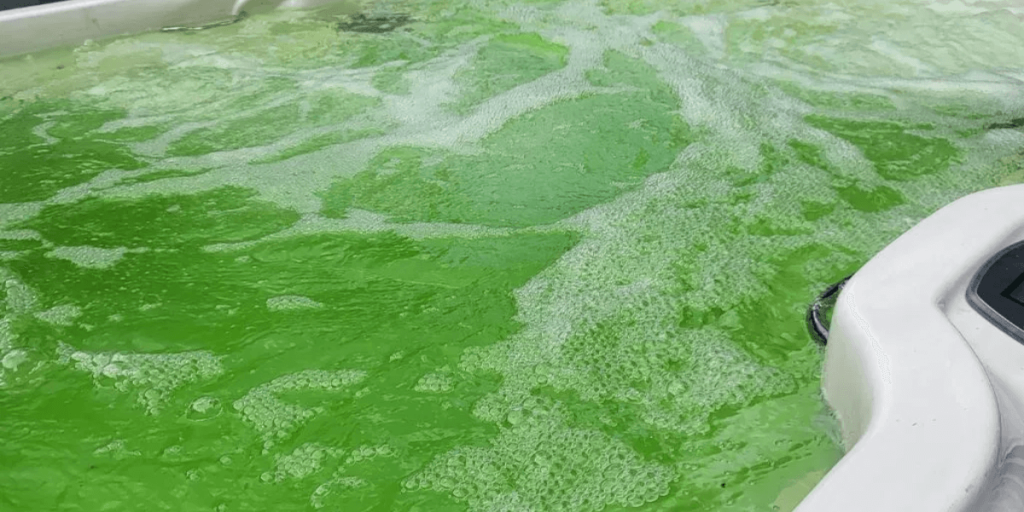
Keeping water clean is one of the most important parts of swim spa ownership. Clear water looks inviting and supports a healthy soaking environment. One of the biggest concerns for owners is algae growth. Many people want to know how to prevent algae in swim spa systems and maintain clear water throughout the year.
Algae can develop when water chemistry becomes unbalanced or when maintenance routines fall behind. The good news is that consistent care and simple habits can help maintain an algae-free swim spa with minimal effort.
This guide explains practical steps for controlling algae and keeping swim spa water clean and comfortable.
Why Algae Forms in Swim Spas
Algae are tiny plant-like organisms that grow in water. They thrive in warm environments with sunlight and nutrients. Swim spas provide warmth and moisture, which makes proper maintenance important. Poor sanitation and unbalanced water are common causes of algae. Low sanitizer levels allow algae to multiply quickly. Dirt, oils, and debris also feed algae growth.
Understanding swim spa algae control helps prevent problems before they begin.
Maintain Proper Water Chemistry
Balanced water chemistry is the foundation of clean swim spa water. Sanitizers such as chlorine or bromine kill algae and bacteria. These chemicals must remain within recommended levels.
Water testing should be done regularly. Test strips or liquid kits make this process simple. Checking sanitizer and pH levels helps maintain stable conditions. Stable chemistry is one of the best ways to prevent algae over time.
Test Water Regularly
Testing water at least twice a week helps detect problems early. Changes in sanitizer or pH can allow algae to grow if left untreated. Regular testing supports effective swim spa algae control and keeps water clear.
Maintain Proper Sanitizer Levels
Sanitizers prevent microorganisms from multiplying. When sanitizer drops too low, algae can grow quickly. Maintaining consistent sanitizer levels helps create an algae-free swim spa environment.
Clean Filters Frequently
Filters eliminate contaminants and particles from the water. When filters become dirty, circulation decreases, and contaminants build up. Cleaning filters every few weeks helps maintain a strong water flow. Replace filters as recommended by the manufacturer. Clean filtration systems support efforts to prevent algae in swim spa water.
Keep the Swim Spa Covered
Sunlight promotes algae growth. A good cover blocks light and prevents debris from entering the water. Leaves, dust, and insects introduce nutrients that feed algae. Keeping the swim spa covered reduces contamination and helps maintain an algae-free swim spa.
Brush Surfaces Regularly
Algae often attach to surfaces before spreading into the water. Brushing the walls and floor removes buildup before it becomes visible. Regular brushing improves algae control and keeps surfaces clean. Pay attention to corners and steps where circulation may be weaker.
Shock the Water Periodically
Shocking the water involves adding a higher dose of sanitizer. This treatment removes contaminants and restores water clarity. Periodic shock treatments help stop algae in a swim spa situation before algae becomes visible. Many owners perform shock treatments every few weeks or after heavy use.
Maintain Good Circulation
Water movement helps distribute sanitizer evenly. Poor circulation creates areas where algae can grow. Pumps should run daily to keep water moving. Many swim spas include automatic circulation cycles. Good circulation is essential to prevent algae in swim spa environments.
Jets and pumps should work properly to maintain water flow. Reduced circulation can allow algae to develop in quiet areas. Routine equipment checks support effective swim spa algae control.
Remove Debris Promptly
Organic debris feeds algae growth. Leaves, grass, and dirt introduce nutrients into the water. Skimming debris as soon as possible helps maintain an algae-free swim spa. Regular cleaning reduces strain on filters and sanitizers.
Monitor Water Temperature
Warm water supports algae growth. Swim spas normally operate at comfortable temperatures, but extremely warm conditions can increase algae activity. Maintaining recommended temperatures supports algae control and improves water balance.
Drain and Refill Periodically
Over time, dissolved solids accumulate in swim spa water. These substances reduce sanitizer effectiveness. Draining and refilling every few months helps prevent algae growth and restores balance. Fresh water improves clarity and sanitation.
Choosing Quality Equipment
Modern swim spas often include advanced filtration and circulation systems. High-quality equipment helps maintain water cleanliness with less effort. For those planning a swim spa purchase, Spas of Colorado offers Hydropool hot tubs and swim spas designed with strong filtration and efficient water circulation systems that support clean water conditions.
Signs of Early Algae Growth
Early detection makes treatment easier. Watch for small changes in the water’s appearance.
Common warning signs include:
- Slightly cloudy water
- Slippery surfaces
- Green or yellow tint
- Strong odors
Acting quickly improves success in stopping algae in a swim spa situation.
Common Mistakes That Cause Algae
Several habits increase the risk of algae growth.
Skipping water tests allows chemical levels to drop. Dirty filters reduce circulation. Leaving the spa uncovered exposes water to sunlight and debris. Avoiding these mistakes helps maintain an algae-free swim spa. Consistent routines make algae prevention easier.
Seasonal Considerations
Seasonal changes affect swim spa care. Warmer months often require more frequent testing and cleaning. In colder regions, swim spas may remain covered more often. Proper winter care still requires regular water testing and circulation. Seasonal adjustments support long-term swim spa algae control.
Long-Term Prevention Strategy
Preventing algae works best with a steady routine. Testing water, cleaning filters, and maintaining sanitizer levels help keep water clear. Owners who follow simple routines find it easier to prevent algae in swim spa systems throughout the year.
Final Thoughts
Clean swim spa water requird consistent attention. Balanced chemistry, effective filtration, and routine cleaning all help reduce the chance of algae growth. Regular care supports a safe and comfortable soaking environment.
Preventing algae starts with simple habits that protect water quality. With steady maintenance and proper monitoring, clear and healthy swim spa water becomes easier to maintain over time. Visit Spas of Colorado for expert guidance and quality hot tubs in Colorado Springs.
