
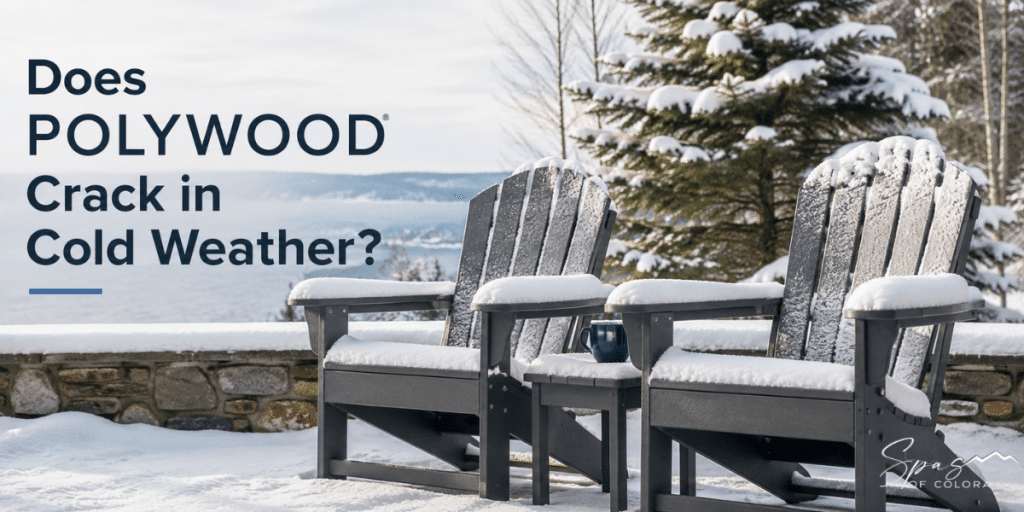
Cold winters are tough on outdoor furniture. Wood warps, cheap plastic cracks, and metal rusts, but POLYWOOD outdoor furniture in winter tells a very different story. It stays put, holds its shape, and looks just as good in February as it did in July. This blog covers exactly how POLYWOOD performs in cold weather, what makes it so tough, and what you can do to keep it at its best all season long.
What Is POLYWOOD and Why Does It Matter?
POLYWOOD is outdoor furniture made from high-density polyethylene, or HDPE, a type of recycled plastic sourced from everyday post-consumer waste. It’s engineered to look and feel like wood but without any of wood’s vulnerabilities. No rot, no splintering, no warping. Just clean, solid construction that’s ready for whatever the weather brings.
The fact that it’s made from recycled material is a bonus, too. You’re getting a durable product that keeps plastic out of landfills, a win for your patio and the planet.
Does POLYWOOD Crack in Cold Weather?
HDPE is built in a way that naturally keeps water out. Unlike wood, it doesn’t soak up moisture, which means it can’t freeze from the inside and crack apart. Traditional wood expands and contracts with temperature changes, which is exactly what causes cracking and splitting over time. POLYWOOD doesn’t behave that way.
POLYWOOD’s manufacturer backs this up with a 20-year residential warranty, explicitly guaranteeing that the furniture will not splinter, crack, chip, peel, or rot under normal outdoor conditions. That kind of confidence speaks for itself.
Is POLYWOOD Weather Resistant?
POLYWOOD undergoes rigorous testing before it ever reaches your backyard. It’s built to handle heavy snow, freezing rain, strong winds, and intense sun without showing signs of wear. So when a Colorado winter hits hard, your POLYWOOD furniture doesn’t flinch.
How Does It Handle Freeze-Thaw Cycles?
One of the most damaging factors for outdoor furniture is the freeze-thaw cycle, temperatures that dip below freezing at night and rise during the day. This constant expansion and contraction can destroy wood and weaker plastics within a few seasons.
HDPE experiences less damaging moisture-related expansion and contraction than wood and generally remains dimensionally stable in outdoor environments.
What About Snow and Ice Buildup?
Snow sitting on POLYWOOD frames is really not something to worry about. The material doesn’t absorb moisture from melting snow, so nothing is breaking down on the inside while it sits out there in the cold. That’s a big part of what makes POLYWOOD durability in winter so impressive; the structure stays completely intact no matter how much snow piles up.
Does Freezing Temperature Affect Its Color?
Not at all. The color runs all the way through the board; it’s not just a coating on top. So freezing temperatures have zero effect on how it looks. No peeling, no chalking, no fading linked to the cold.
What Happens to the Hardware in Cold Weather?
The screws and fasteners used in POLYWOOD furniture are marine-grade stainless steel, making them well-suited for tough environments. Cold temperatures on their own won’t cause them to weaken or corrode. A periodic rinse and clean is still a good habit, but you won’t be dealing with rust or loose joints just because winter showed up.
Can You Leave POLYWOOD Outside All Winter Without Covering It?
Yes, you can. POLYWOOD frames are designed to withstand year-round outdoor use without requiring covers or storage. However, using a breathable furniture cover during extended storms or heavy snowfall can reduce the cleaning you’ll need in spring. It’s not required, it’s just a convenience.
How Long Does POLYWOOD Last Outdoors?
Most POLYWOOD furniture lasts 20 years or more with minimal maintenance.
That longevity stems from HDPE’s inherent properties. It resists UV rays, moisture, mold, mildew, insects, and chemical breakdown. Unlike wood, it never needs sealing, staining, oiling, or painting. A simple wash with soap and water is all it takes to keep it looking fresh year after year.
Compare that to traditional wood, which needs refinishing every season and can still deteriorate within a decade without consistent care. The long-term value of POLYWOOD becomes very clear when you factor in zero maintenance costs over two decades.
Decades of durable outdoor furniture with almost no upkeep, that’s exactly what you get with Spas of Colorado. Go through our range of POLYWOOD patio furniture and find pieces built to last through every Colorado season!
Simple Winter Care Tips for Your POLYWOOD Furniture
Even though POLYWOOD doesn’t need much attention in winter, a few small habits go a long way in keeping everything in top shape.
- Clean your furniture with mild soap, warm water, and a soft brush before the first winter storm hits.
- Rinse it well and let it dry completely before leaving it out.
- Elevate pieces slightly off the ground using risers or pavers to avoid prolonged contact with pooling water.
- Store cushions and pillows indoors. They’re not built for winter exposure like the frames are.
- Rinse the furniture down periodically if you use rock salt or de-icers on your patio.
- Come spring, check all hardware, tighten any loose screws, and give everything a good wash.
Conclusion
POLYWOOD outdoor furniture does not crack in winter. Its HDPE construction is engineered specifically to resist the kind of damage that destroys wood and cheaper plastics over time. Freeze-thaw cycles, heavy snow, and icy conditions do not pose a serious threat to POLYWOOD’s structure, color, or hardware. With a 20-year residential warranty and a proven track record of lasting 20-plus years outdoors, it’s one of the most reliable choices you can make for year-round outdoor living.
If you are looking for durable, stylish, and weather-ready furniture for your patio, Spas of Colorado offers a well-rounded selection of outdoor patio furniture and accessories built to last through every season. Stop by or reach out to us and find the perfect fit for your outdoor space!
