
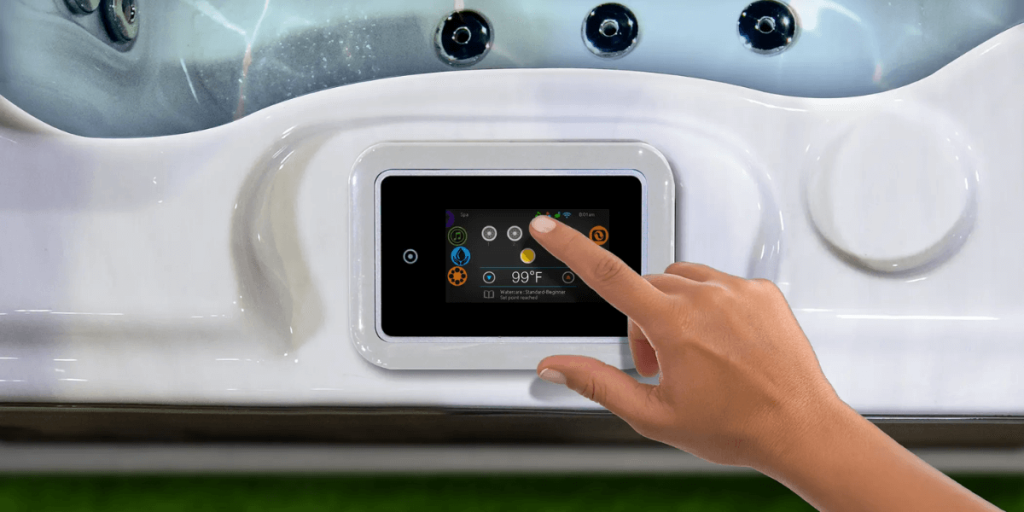
Leaving town brings excitement, yet hot tub owners often pause before packing bags. Temperature settings matter more than many expect during travel. Energy costs, water quality, equipment health, and climate conditions all connect directly to how warm the water stays while no one is home. A poorly chosen setting may waste electricity, strain components, or allow water balance problems to develop quietly. Trip length also plays a major role. A weekend away requires a different approach compared to a multi-week absence. Hot tub type, insulation quality, control systems, and local weather patterns further influence the safest option.
This guide explains the ideal hot tub temperature on vacation, outlines risks linked to extreme settings, shares preparation steps, and helps homeowners return to clean, ready water instead of costly surprises.
Why Hot Tub Temperature Matters While You’re Away
Heat drives energy use. Higher water temperatures demand constant heater operation, which increases electricity consumption even without use. Lowering the temperature reduces that load, offering savings without sacrificing system stability. Temperature also affects sanitizer performance. Warmer water accelerates chemical breakdown, while cooler water slows that process.
A stable temperature maintains consistent sanitation, lowering bacterial growth risks and unpleasant odors. Extreme settings create problems. Excess heat encourages faster evaporation and chemical loss. Excess cooling risks freeze damage in colder regions. Understanding these dynamics helps owners choose a safe hot tub temperature when away without stressing the system.
Recommended Hot Tub Temperature for Vacation
Short Trips (1 to 3 Days Away)
For brief trips, minor changes work best. Setting the water between 95°F and 98°F maintains stability while trimming energy use. This range keeps pipes warm, preserves chemical balance, and allows quick reheating after return. Near-normal settings reduce strain on heaters while preventing sudden temperature swings. Owners enjoy peace of mind knowing the spa stays protected during short absences.
Medium Trips (4 to 10 Days Away)
Mid-length travel benefits from further adjustment. Lowering water temperature to the low 90s slows chemical consumption, extends sanitizer life, and reduces heater cycling. This approach balances protection with savings. Water remains warm enough to avoid stagnation, yet cool enough to reduce energy waste. Many homeowners view this range as the ideal hot tub vacation setting.
Long Trips (More Than 10 Days)
Extended travel requires a cautious plan. Lowering the temperature to 80 to 85°F protects plumbing while cutting operating costs. Vacation or economy modes often suit these situations. Circulation must continue to prevent water stagnation. Turning off the system entirely creates risks unless draining the spa becomes part of the plan. Thoughtful settings keep water healthy during long absences.
How Climate Affects Vacation Temperature Settings
Cold Weather Considerations
Colorado winters demand special care. Temperatures that drop too low may freeze plumbing lines, causing expensive damage. Maintaining water around 80°F to 85°F protects components while conserving energy. Shutting the heat off during freezing conditions creates unnecessary risk. A low running temperature keeps the system safe through snow, wind, and overnight freezes.
Warm Weather Considerations
Summer travel brings different challenges. High ambient heat raises water temperature naturally. Lowering settings to the mid-80s helps prevent overheating while preserving sanitizer effectiveness. Warm conditions speed up chemical breakdown. Lower water temperature slows this process, keeping water clearer until return.
Should You Use Vacation Mode or Economy Mode?
Many modern hot tubs include energy-saving modes. Vacation mode often lowers the temperature automatically while maintaining circulation. Economy mode may heat water only during scheduled cycles. These modes help reduce energy use, yet they require proper water balance before activation. Poor chemistry paired with reduced heating may lead to sanitation issues.
Manual settings sometimes work better for owners familiar with their spa’s behavior. Choosing the right option depends on climate, trip length, and comfort with automated controls.
Preparing Your Hot Tub Before Leaving
Balance Water Chemistry First
Balanced water lasts longer during inactivity. Testing pH, alkalinity, and sanitizer levels before departure prevents issues from developing unnoticed. Proper balance reduces bacteria growth while preserving equipment. Shock the water shortly before leaving. This step clears organic contaminants, extending freshness during your absence.
Clean Filters Thoroughly
Clean filters improve circulation while preventing odor buildup. A dirty filter traps debris that may degrade water quality over time. Washing filters before travel supports consistent performance. Schedule this step a day or two before departure to ensure optimal flow during the trip.
Secure the Cover
A locked cover preserves heat while blocking debris, wildlife, and weather exposure. Proper sealing reduces evaporation, which helps maintain chemical balance. Secure covers also protect safety while preventing heat loss during cold nights.
What Temperature Settings to Avoid
- Turning the hot tub completely off often causes more harm than benefit.
- Stagnant water invites bacterial growth while cold temperatures threaten plumbing.
- Leaving water at full soaking temperature wastes energy while accelerating chemical breakdown.
- High heat during inactivity places unnecessary stress on heaters.
- Extreme fluctuations strain components.
- Gradual, moderate adjustments protect both the equipment and water quality.
Energy Savings Vs Water Health
Energy savings matter, yet water health deserves priority. Lowering the temperature reduces electricity use, though dropping too far may compromise sanitation. Moderate settings extend sanitizer lifespan while maintaining circulation. This balance delivers a reliable hot tub energy-saving temperature without risking water quality. Owners should aim for efficiency without sacrificing protection. Smart planning prevents costly corrections later.
Spas of Colorado provides expert guidance, reliable service, and products designed for high-altitude conditions. Homeowners researching hot tubs in Colorado Springs often rely on our experience to prepare spas for travel with confidence.
What to Do When You Return Home
Adjust Temperature Gradually
Allow adequate time for reheating rather than forcing rapid use. Sudden increases in strain equipment while increasing energy demand. Most spas require several hours to reach soaking temperature. Gradual warming preserves longevity.
Test and Refresh Water
Test the water upon return. Inactivity may alter pH or sanitizer levels. Shocking the water restores clarity if needed. Partial draining may help after extended trips. Addressing water quality early ensures a smooth return to use.
Conclusion: Set It Smart, Relax Later
Choosing the right vacation temperature protects your hot tub while reducing unnecessary costs. Short trips benefit from small adjustments, while longer absences require thoughtful planning based on climate and system design. Proper preparation prevents chemical imbalance, freeze damage, and equipment stress.
Understanding hot tub temperature when not in use helps homeowners enjoy worry-free travel. Balanced water, clean filters, secure covers, and smart temperature settings work together to protect the spa. With a little planning, returning home means stepping back into relaxation rather than repairs.
